7X24 service hotline:
Contact:Ashley lee
Phone:+86 18336073597
Tel:18336073597
Address:industrial park,Fengquan District, Xinxiang City, Henan Province,China
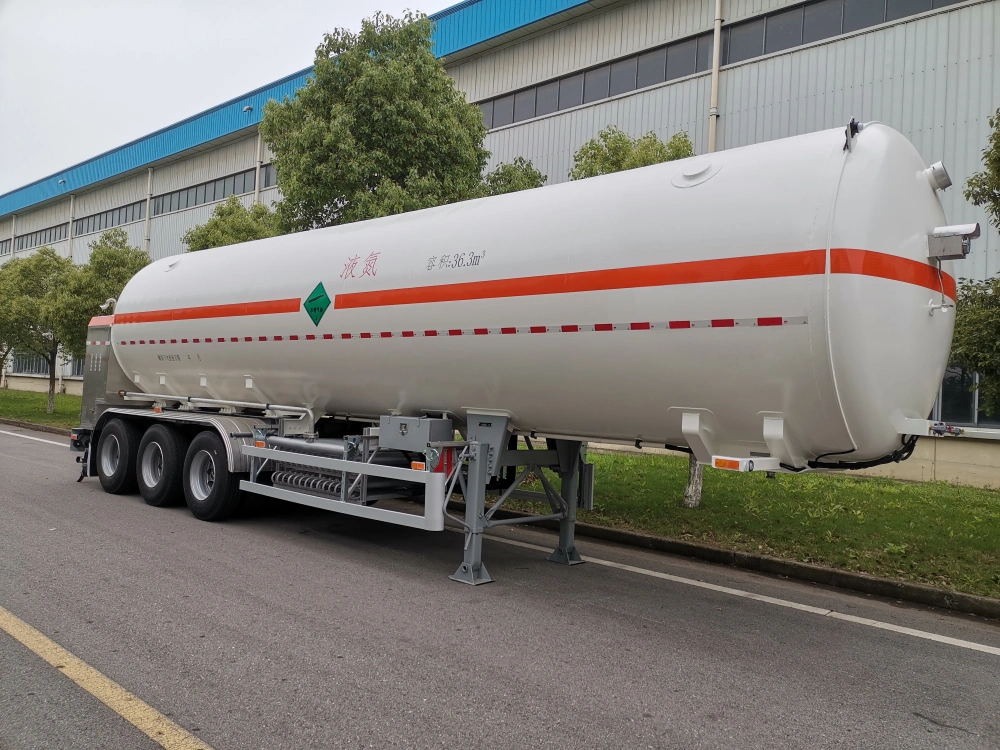
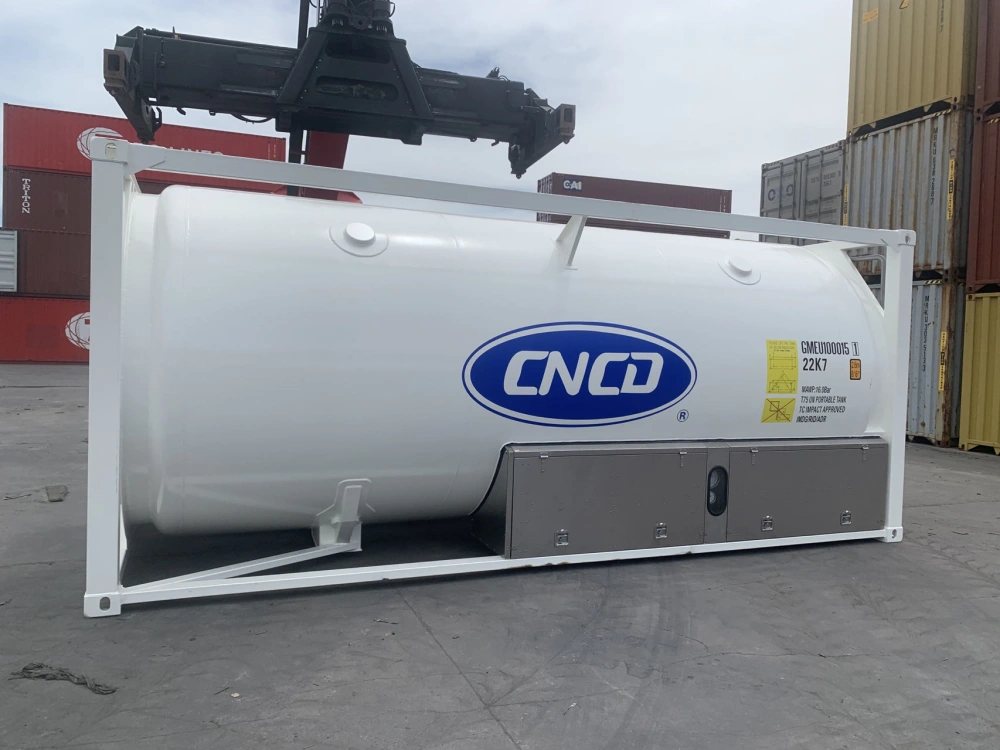
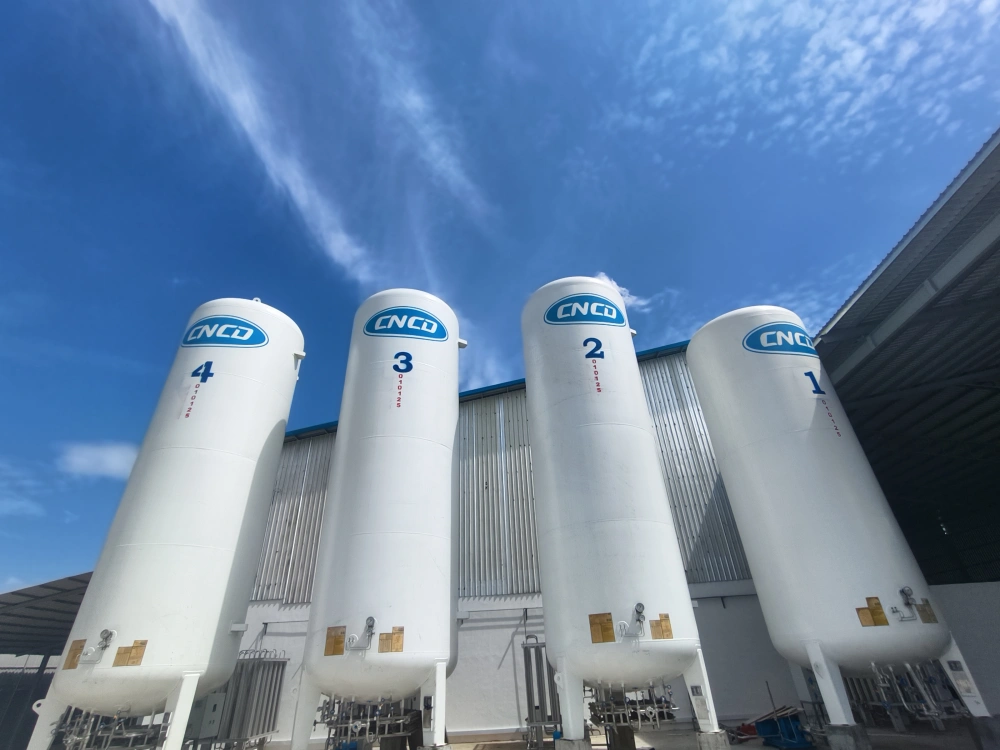
Deformation of liquid oxygen storage tanks can generally manifest in several forms, including localized dents, bulges, overall flattening, and overall expansion.
Localized dents are surface depressions caused by impact or compression in a localized area of the tank shell or head. This type of deformation generally only occurs in small, thin-walled tanks. It does not change the tank wall thickness, but simply causes a localized surface to lose its original geometric shape.
Bulging is an outward bulge caused by severe corrosion on a pressure-bearing surface of a liquid oxygen tank, significantly reducing the wall thickness. In some cases, bulging can also occur due to excessively high temperatures in a localized area of the tank, which degrades the material’s mechanical properties. This deformation further reduces the wall thickness in that area of the tank.
Overall collapse occurs when the shell wall thickness under external pressure is too thin, causing it to lose stability under pressure and lose its original shape. This deformation only occurs in the pressure-bearing components of the liquid oxygen tank, such as the inner cylinder of a jacketed liquid oxygen tank.
Overall expansion deformation occurs when the liquid oxygen tank wall thickness is too thin or when used under overpressure, causing the entire liquid oxygen tank or certain sections to yield. This deformation typically develops slowly and can only be detected under specialized monitoring.
Treatment Methods
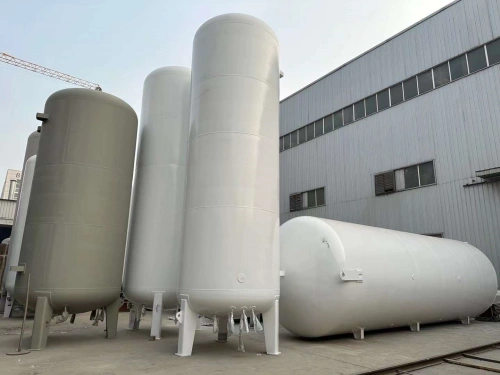
Deformation can generally be inspected visually, while less severe deformation can be detected using gaging tools.
Any liquid oxygen tank with deformation defects, other than minor localized dents, should generally not be used. This is because plastic deformation of the liquid oxygen tank will always reduce the wall thickness to varying degrees. Furthermore, the deformed material will also suffer from strain hardening, reducing its toughness and impairing its corrosion resistance.
For minor bulging deformation, if the deformation area is not too large and does not affect other parts of the liquid oxygen storage tank, and if the liquid oxygen storage tank material has good weldability, you can consider using patching treatment. That is, the local bulge is dug out and then repaired with a plate of the same shape and material. After welding, the weld is technically inspected according to the original technical requirements of the liquid oxygen storage tank.
Contact:Ashley lee
Email:cncd@cryocontainer.com
Tel:18336073597
Address:industrial park,Fengquan District, Xinxiang City, Henan Province,China
Hotline
Use Whatsapp "Scan" to add friends for consultation